The “good” news in all this is that it is not a broader market issue. NWS will affect relatively few animals and is not something that will affect the cattle supply or beef production.
Derrell S. Peel, Oklahoma State University
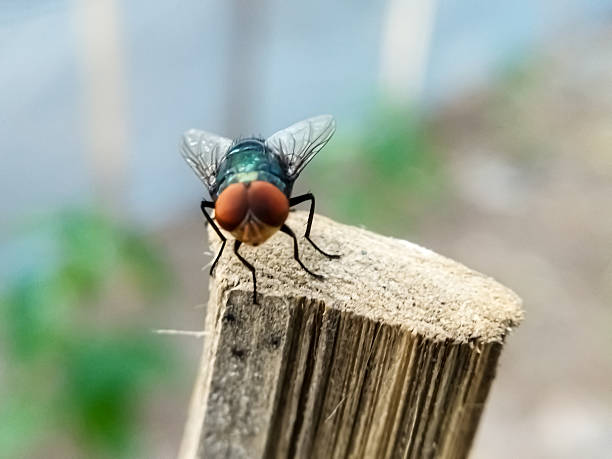
The shoe has finally dropped… For many months producers and markets have operated under the threat of New World Screwworm (NWS) coming into the U.S. Now that it’s here, we can get on with the reality of dealing with it. The bad news is that NWS will be costly and a management headache for affected producers and those nearby, along with industry and agency folks tasked with controlling and eradicating the pest. Time spent planning and anticipating an outbreak now shifts to actions.
The psychological impact has been mostly one of relief, especially in futures markets. The arrival of NWS has been one of many sources of uncertainty hanging over cattle markets for months. Confirmation of NWS in the country removes one source of uncertainty and allows the market to focus on the reality, which has largely been priced into the market.
The “good” news in all this is that it is not a broader market issue. NWS will affect relatively few animals and is not something that will affect the cattle supply or beef production. It also is not a food safety issue and there are no impacts on meat. Beef market supply and demand fundamentals are not affected and no significant market impacts are anticipated.
Additionally, no major trade impacts are warranted or expected relative to NWS. However, the reaction of trade partners is unpredictable. Canada has announced a temporary ban on livestock from Texas. This is seen as a largely symbolic political move as it will affect a very small volume of trade. Although there is significant bilateral cattle trade between Canada and the U.S., very few Texas cattle are typically involved. Canada is well north of the climate boundary for NWS and the threat is minimal.
Another part of the uncertainty about NWS is the continued closure of the Mexican border. It is uncertain if the fact of NWS in the U.S. will change political decisions regarding the status of border. The market will continue to wait for news about when the border might open. Once again, the impacts are more related to the uncertainty than the reality. When it happens, opening the border will likely be a deliberate and relatively slow process. Over time, Mexican cattle flows into the U.S. may rebuild with marginal impacts on feeder cattle supplies in the country but no immediate disruptive shocks to cattle markets are anticipated.
Like most disasters, the impacts of NWS will be primarily local. It will take significant efforts and dollars to ensure a perimeter around the outbreak and effective animal movement controls to contain the pest along with diligent monitoring and treatment of any affected animals. It is uncertain at this point how large of a region might be involved in this outbreak, but no major cattle or beef market impacts are anticipated.